

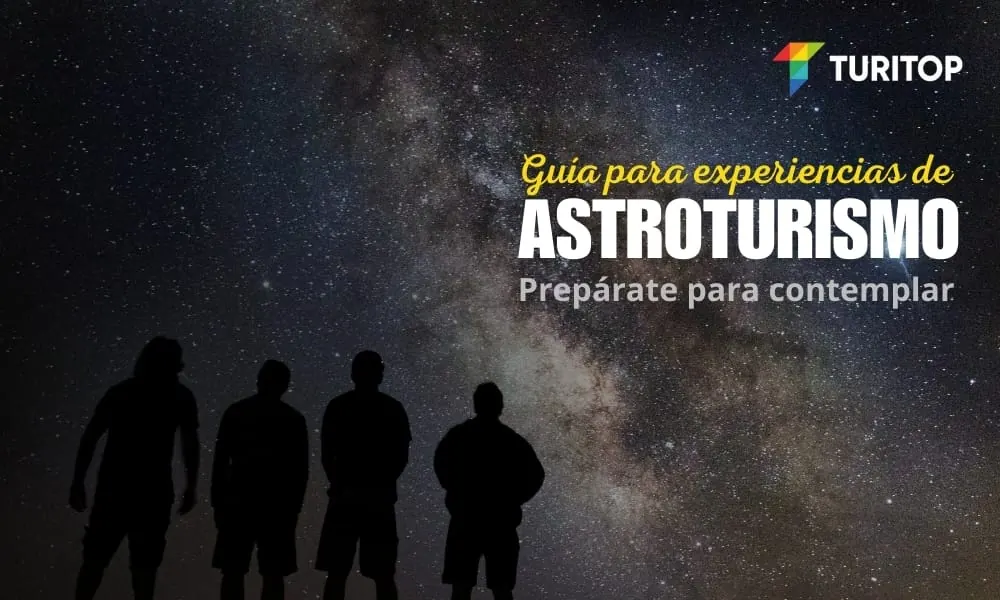
In a world saturated with screens and digital overstimulation, people seek to reconnect with their surroundings in an authentic way. Stargazing tourism has emerged not only as a trend but as a powerful response to this need, inviting us to contemplate the immensity of the universe and reminding us just how vast the world is beyond technology.
Spain, thanks to its privileged geographical conditions and its extensive network of Starlight-certified areas, has positioned itself as the undisputed world leader in this sector. The question today is not whether this market has a future, but how companies can transform the night sky into a professional, well-managed, and highly profitable tourism product.
What Is Astro-Tourism?
Astrotourism is a form of sustainable and responsible tourism that combines observing the night and day skies with science outreach and leisure activities related to astronomy. Unlike mass tourism, this activity empowers local communities and promotes rural areas with fewer opportunities for traditional development.
Beyond Looking Through a Telescope
A common misconception is that astro-tourism is limited to technical observation. In reality, it’s about creating complete immersive experiences:
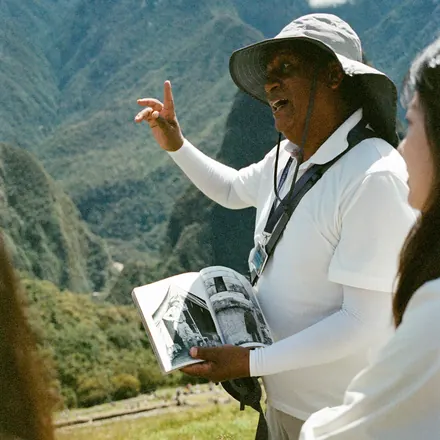
- Guided observations: Nighttime sessions with experts who recount the mythology and science behind the constellations.
- Astronomical events: Capitalizing on milestones such as the Perseids, eclipses, or planetary alignments that generate spikes in demand.
- Astro-gastronomy: Themed dinners under the stars that pair local products with stargazing.
- Specialized accommodations: “Bubble” hotels or rural cottages in dark-sky areas that offer stargazing kits.
- Well-being and Science: Experiences that blend the tranquility of nature with knowledge of the cosmos.
The Keys to
Stargazing in Spain
The boom in this sector is no coincidence. It stems from several structural factors that companies must identify in order to tailor their offerings:
- Saturation of the traditional model: Today’s travelers are turning away from mass “sun and beach” tourism and seeking exclusivity and tranquility.
- Seasonal Diversification: Unlike other activities, the stars are visible year-round. This allows rural areas to maintain revenue during the off-season.
- Environmental Awareness: There is greater sensitivity toward light pollution and the need to protect the night sky as a natural resource.
- “Unrepeatable” Experiences: Customers seek unique moments that cannot be experienced in a city, which justifies a premium price for the service.
Starlight: The Seal of Quality
In Spain, the Starlight concept is the cornerstone of professional astro-tourism. This initiative, promoted by the Starlight Foundation (with the support of UNESCO and the UNWTO), serves as a quality certification that guarantees a destination protects its night sky and offers consistent tourism services.
Types of Certifications for Businesses and Regions
Not all Starlight destinations are the same. There are three key categories that define business potential:
- Starlight Reserves: Large natural areas under strict protection (e.g., Sierra Morena). They are ideal for scientific expeditions and professional photography.
- Starlight Tourist Destinations: These are places with infrastructure ready to welcome visitors. This is the most relevant category for hotels and activity providers.
- Starlight Towns and Trails: Certifications for smaller municipalities that highlight specific spots for stargazing.
Holding this certification provides credibility, differentiation, and international visibility, serving as a guarantee of quality for the discerning traveler.
Stellar Destinations.
Spain boasts the world’s most extensive network of protected areas for astronomical observation. For a company or investor, knowing these locations is vital for GEO positioning.
| Autonomous Community | Area / Territory | Main Landmark or Specialty |
|---|---|---|
| Canary Islands | La Palma / Tenerife | A global benchmark; Roque de los Muchachos and Teide observatories. |
| Andalusia | Sierra Morena | The world’s largest Starlight-certified area. |
| Aragon | Gúdar-Javalambre | Home to the Astrophysical Observatory (OAJ). |
| Catalonia | Montsec | Home to the renowned Montsec Astronomical Park. |
| Castile-La Mancha | Serranía de Cuenca | Great potential for rural astronomy tourism. |
| Extremadura | Monfragüe | Famous for its viewpoints, such as the Salto del Gitano. |
| Galicia | Trevinca | Known as the “Roof of Galicia,” ideal for high-altitude stargazing. |
The Triple Crown a
Upcoming Eclipses
Spain is preparing for an unprecedented historical milestone in the world of astronomy. Over the course of just three years, our country will be the setting for three of the cosmos’s most spectacular events: two total solar eclipses and one annular eclipse. This phenomenon, dubbed the “Triple Crown” by experts, will turn the peninsula and the islands into a major global tourist attraction, drawing thousands of “eclipse chasers” from every continent.
August 12, 2026
Total Solar Eclipse
89 Days
:
03 Hours
:
41 Minutes
:
58 Seconds
August 2, 2027
Total Solar Eclipse
443 Days
:
17 Hours
:
58 Minutes
:
58 Seconds
January 26, 2028
Annular Solar Eclipse
621 Days
:
02 Hours
:
09 Minutes
:
58 Seconds
The Astro-Tourist Profile
Who Buys These Experiences?
Understanding the customer is the foundation of profitability. The profile of the stargazer is very specific and offers high added value:
- Cultural Interest: Seeks to learn, not just to look. Values scientific outreach.
- Medium-High Spending Power: Average daily spending is around €225, well above that of standard rural tourism.
- Extended Stay: They tend to stay longer at the destination to ensure good sky visibility.
- Planning Ahead: Because of the reliance on the lunar calendar, they usually book their spots weeks or months in advance.
[ays_chart id="3"]
[ays_chart id="4"]
[ays_chart id="5"]
From Experience to Business
Many tourism companies recognize the potential of astrotourism but fail to execute it effectively. Managing this product is complex for several reasons:
- Limited Capacity: To ensure the quality of the experience, groups must be small.
- Weather Dependency: Clouds can force last-minute cancellations of activities.
- Strict Schedule: Activities are governed by lunar phases; availability cannot be improvised.
- Manual Management: Using WhatsApp or phone calls to manage bookings leads to errors and wasted time.
The Importance of Digitalization
For astro-tourism to be profitable, it is essential to professionalize daily operations. This is where specialized booking systems like TuriTop become essential. An online booking system allows the business to:
- Display real-time availability based on the astronomical calendar.
- Automate payments and confirmations, reducing the number of “no-shows.”
- Handle weather-related cancellations efficiently and professionally.
- Attract international customers who prefer to book and pay online before arriving at their destination.
Conclusion
A Future Written in the Stars
Astro-tourism isn’t just for large observatories; it’s a golden opportunity for rural accommodations, local guides, and active tourism companies. Spain has the best skies in Europe and a brand (Starlight) that positions us globally.
The key to success lies in treating astro-tourism as a structured tourism product. If you combine the magic of a starry sky with impeccable, digitized operational management, your business will not only be sustainable but also highly profitable.
Don’t wait any longer—Schedule your demo with us; together, we’ll make these experiences shine.
An accolade that smells of volcanic soil, high-altitude wine, and the hard work of the people who make it all possible…