


Development of Premium and Customized Products in Tourism
For years, many tour operators have grown by relying on volume: more departures, more groups, more shared bookings. It works… until it doesn’t.
Price pressure, commissions, and dependence on intermediaries have pushed many businesses to rethink their model. And that’s where premium, private, and personalized experiences come in.
Not as a complete replacement for standard products, but as a natural evolution—especially when you already have demand and a solid reputation.
What We Mean by Premium and Personalized Experiences
We’re not just talking about raising prices. A premium experience typically meets several of these criteria:
- It’s private or for very small groups.
- It’s tailored to the customer (schedule, language, pace, interests).
- It includes exclusive access, one-on-one attention, or more in-depth content.
- It reduces friction and the feeling of being on a “mass tour.”
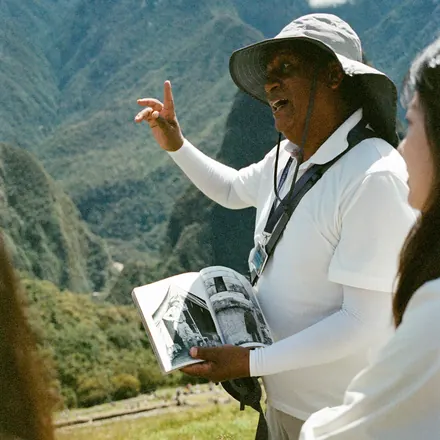
It could be a private tour of a historic district, an outdoor excursion for a specific family, or an immersive experience designed for a small business.
The value lies in personalization and in control over time and resources.

Why This Type of Product Matters Now
Demand has changed. More and more travelers are seeking small, peaceful, and tailor-made experiences—especially in crowded destinations or during peak seasons. They don’t want to share. They don’t want rigid schedules. They want to feel that the experience is “theirs.”
For the operator, this has several clear implications. First, it allows for higher margins. You sell fewer spots, but at a better price and with less operational overhead. Second, you reduce your dependence on volume and intermediaries. A premium product typically sells better through your direct channel or by word of mouth. Third, it sets you apart. While many compete on price for shared tours, you’re in a league of your own.
How to Design a Private Experience That Actually Works
This is where many fail. It’s not enough to simply label it a “private tour” and double the price. Start by considering the actual use of the resource. If the guide, vehicle, or venue is dedicated to a single client during that time, that must be reflected in the product’s structure. It’s not just another spot. It’s a complete capacity lockout.
Next, define what’s customizable and what isn’t. Flexible itinerary, language, extra stops, pace… but without making it impossible to operate. A good premium product has clear boundaries, even if it’s flexible. The third point is the packaging. Don’t sell hours or logistics. Sell the result. It’s not a “3-hour private tour”; it’s an experience designed for a couple, a family, or a small group that wants something specific.
Real-life example in the Spanish context
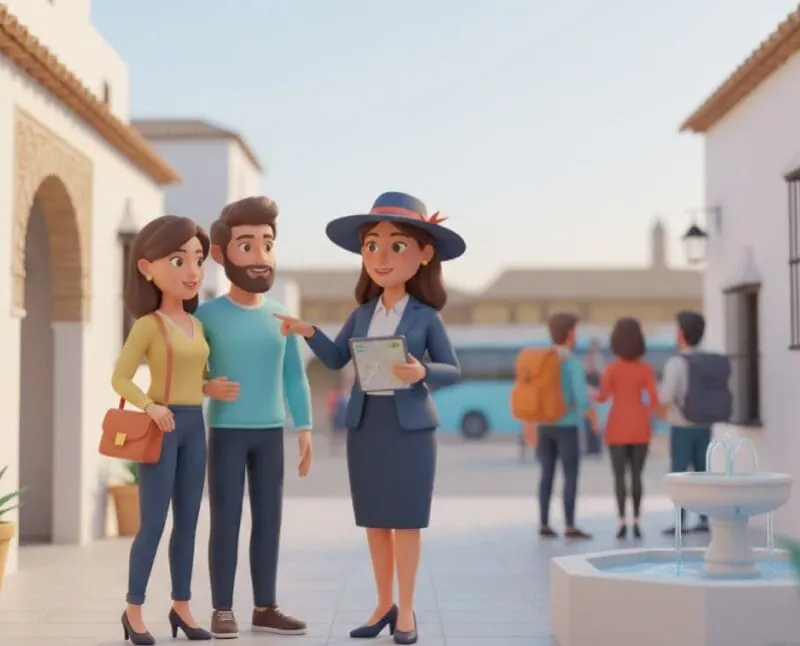
A cultural tour operator in Andalusia offers shared morning tours. For years, this worked well, but they began receiving requests for private tours from agencies, foreign families, and companies.
At first, they managed this “manually.” If a private booking came in, they’d notify the guide and manually close the shared tour. The result: errors, overbooking, and a lot of wasted time.
When they restructured the product as a true private experience, with automatic blocking of the resource for the entire duration, the problem disappeared. The shared tour automatically became unavailable during that time slot. Less stress. More control. And prices consistent with the value offered.
The Most Common Mistake When Selling Premium Experiences
The most common mistake isn’t in marketing, but in operations. Many operators sell a private product, but their system continues to function as if it were a shared one.
This creates internal conflicts, duplication, and a real risk of overbooking.
A booking engine should allow you to manage resources, not just seats. In other words, it should recognize that a guide, a boat, or a vehicle cannot be part of two experiences at the same time.
When someone books a private product, that resource must be automatically blocked for the duration of the event. No phone calls. No Excel. No manual reminders.
If you work with multiple channels, this is even more critical. Availability must be synchronized to avoid selling something that no longer exists.
How Technology Fits Into This Type of Product
The shift toward premium experiences often reveals shortcomings in systems that were previously “good enough.”
A booking engine designed solely for shared volume falls short. You need something that manages quotas, resources, and real-time availability. The key is for the system to understand that:
- A private product consumes the resource’s entire capacity.
- That allocation affects other related products.
- Availability is automatically updated across all channels.
When this works well, the operator regains control—not just over the schedule, but also over the money, timing, and the customer experience.
A Natural Fit for Direct Sales
These types of experiences sell best without intermediaries. The customer wants to talk to you, tailor the details, and feel confident. And you need the money to go directly into your account, without high commissions eating into your margins.
With premium products, every percentage point counts. The differences between payment systems and booking engines are no longer theoretical—they become very real.
That’s why many operators discover that their technology infrastructure wasn’t ready for this leap… until they take it.
Conclusion: Less Volume, More Control
Developing premium, personalized products isn’t just a pricing strategy. It’s a different way of managing your business.
Less operational chaos. More control over resources and availability. A better experience for the customer—and for you.
If you already have demand, a reputation, and knowledge of the destination, this step is almost inevitable. The difference lies in doing it right from the start, with clear products and operations that don’t rely on quick fixes.
That’s where many operators discover that true growth doesn’t always come from selling more… but from selling better.
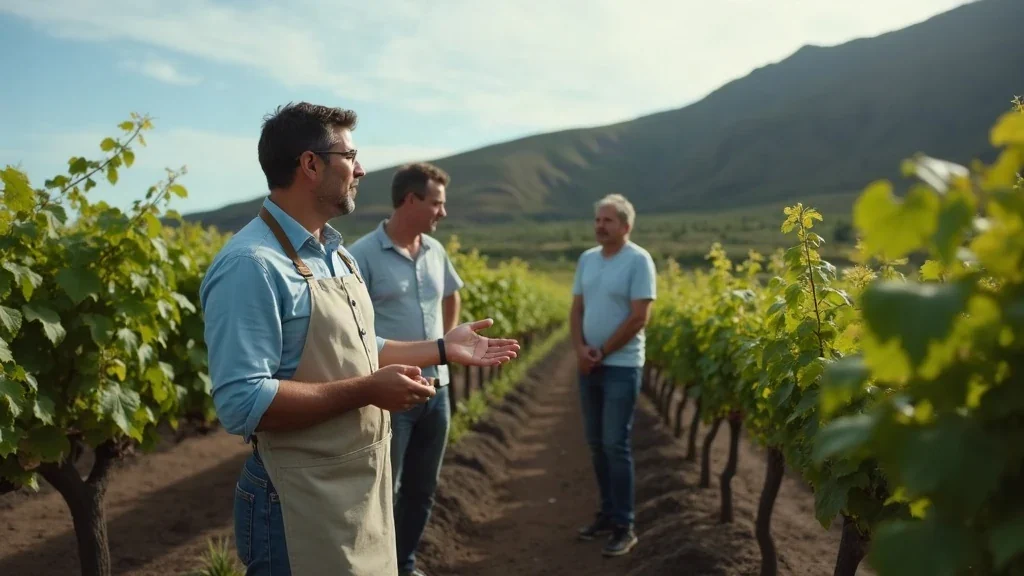
A realization that smells of volcanic soil, high-altitude wine, and the hard work of the people who make it all possible…