


You’re experiencing something that, right now, is happening to half the industry: more and more bookings are coming in through OTAs and it’s getting harder and harder to get customers to book on your website.
The latest data from Arival for tours and activities makes it quite clear: OTAs will account for 37% of bookings by 2025 (up from 2024), while bookings on operators’ websites will drop from 29% (2024) to 25% (2025).
This doesn’t mean “your website is bad”. It means that acquiring and converting customers online is harder and more expensive (advertising costs are rising, search behavior is changing, AI is coming into play, etc.).
Regain Control of the Direct Channel (Without Fighting Reality)
The direct channel isn’t just “online sales.” It’s about controlling three things:
- Customer relationships (data, communication, repeat business, reviews).
- Margin (no 20–30% commissions typical of the reseller world).
- Rules of the game (your policy on changes, upsells, packages, hours, and availability).
The trap is thinking in black-and-white terms: “OTAs yes / OTAs no.” By 2026, a more reasonable approach is this: use OTAs as a profitable showcase and build a solid direct channel that doesn’t depend on an algorithm.

A Practical 3-Pronged Plan: Direct Sales, Marketing, and Pricing
If the industry’s stated priorities are more direct sales, better marketing, and smarter pricing (including variable rates), execution often falls short for the same reason: people try to fix a problem—which is a combination of traffic, trust, friction, and price—with “more traffic.”
1) Direct sales: reduce friction and build trust (on your website)
In Spain, customers don’t just compare experiences—they compare ease of payment and security.
-
Payment with no surprises: Bizum and credit cards are almost an “expectation,” not a bonus. If you force customers to “pay later” or use bank transfers, you’ll lose conversions.
-
Trust signals: clear policies (cancellation, changes), visible reviews, real contact information, location, and hours—all without fine print.
-
Short checkout: fewer fields, fewer steps. Ask for only what’s essential and comply with GDPR without turning it into a barrier.
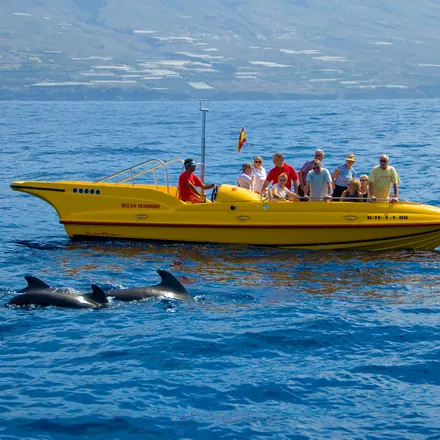
Real-world example: a tour operator in Tenerife that sells through an OTA to a German family… and then welcomes locals or repeat customers. That local doesn’t want to go through an OTA for a 2-hour excursion. They want to book in 30 seconds, pay easily, and receive instant confirmation.
2) Marketing: Stop just “being on social media” and start capturing demand
Here’s an important nuance: you don’t need to do everything. You need to execute 2–3 key strategies well.
-
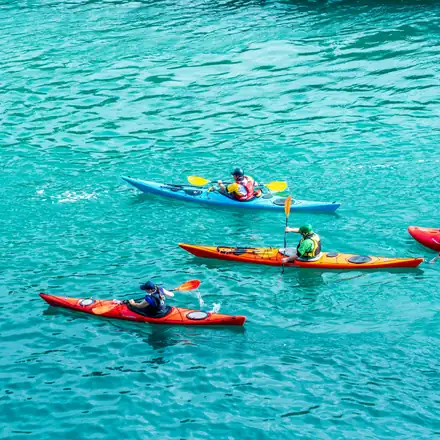
Local SEO that answers questions: “free tour historic district + city,” “kayak tour + beach,” “excursion + canyon + difficulty level.” It’s not just a blog: it’s page structure, FAQs, schema, load times, and content that addresses search intent.
-
Google “Things to Do” / local profiles: if people are searching for you, you need to have a complete online presence (up-to-date photos, availability, clear pricing).
-
Purpose-driven social video: not for “likes,” but for discovery. And always land on a page that converts, not a “link in bio” to a generic homepage.
And an uncomfortable reminder: even Arival has been pointing out that the direct marketing landscape is getting more complicated (changes in search, AI, costs).
The answer isn’t “spend more.” It’s to measure better (which channel brings in actual bookings) and remove friction where bookings are lost.
3) Smarter Pricing: Dynamic Pricing Without Becoming a Hotel
“Dynamic pricing” for experiences works when applied with simple rules:
-
Raise prices during actual peak periods (holidays, long weekends, Holy Week, August, local events).
-
Reserve inventory for your website on high-demand dates (if all inventory goes to OTAs, direct bookings will never take off).
-
Packages and upgrades: photos, transportation, tastings, pick-up, private guide. Sometimes the margin is higher on the extras than on the base rate.
The goal isn’t to be sophisticated. It’s to avoid two common mistakes:
-
selling at low prices when demand is high, and
-
losing direct sales due to lack of availability (because “everything went to OTAs”).
Common Mistakes That Leave You Without a Direct Booking Channel (Even If You Have a Website)
-
Your website competes against you: On OTAs, your listing is flawless (photos, descriptions, reviews), but on your own website, it’s just “okay.” Customers make comparisons in 15 seconds.
-
You don’t control room availability by channel: An overbooking or a false “sold out” message ruins your reputation and repeat business.
-
Payments that arrive late or go through intermediaries: This ties up your cash flow and forces you to finance the operation.
-
Marketing without traceability: “We’re on Instagram” isn’t a KPI. Bookings and profit margin are.
Where technology fits in (without making it seem like you have to start from scratch)
The technology that helps you reclaim your direct channel isn’t “more tools.” It’s less dependence and more operational control:
-
A booking engine should allow you to collect payments directly (without intermediaries) using payment methods that Spanish customers actually use.
-
If you work with multiple platforms, you need automatic availability synchronization so you don’t have to live in Excel or deal with overbookings.
-
And when there’s a problem on a Saturday at 9:00 p.m., you need support in Spanish that actually responds.
That’s where an approach like TuriTop’s fits naturally: a cloud-based engine, a proprietary payment gateway with Redsys/Bizum, robust quota management, and a channel manager—all designed for operators in Spain and their day-to-day operations.
It’s not just “installing a plugin.” It’s deciding that your direct channel stops being a brochure and becomes a sales channel managed with purpose.
If direct bookings drop from 29% to 25% while OTA bookings rise to 37%, the message isn’t “abandon OTAs.” It’s: reclaim margin and data where you can, reduce friction on your website, and use simple strategies. That puts you back in control without giving up the sales that—whether you like it or not—are still coming in through intermediaries today.
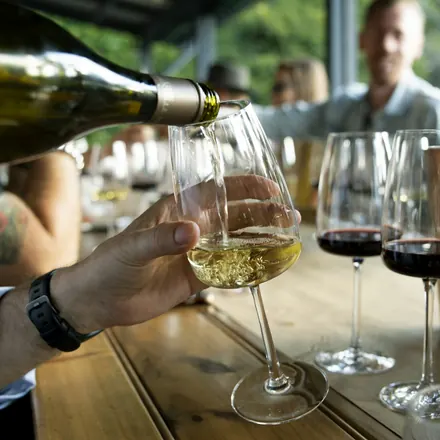
A realization that smells of volcanic soil, high-altitude wine, and the work of the people who make it all possible…